
✓DIRECT BILLING TO INSURANCE
✓ACCEPTING CDCP
✓SAME DAY APPOINTMENT

Hello!
Welcome to Edmonton Smiles — South Edmonton's comfort-first dental clinic, located off Whitemud Drive on 66 Street. Dr. Molly Rodgers and her team have been caring for families in Mill Woods, Ellerslie, Summerside, and surrounding communities since 1988.
Whether you need a routine cleaning, a same-day emergency appointment, or are searching for a dentist who accepts CDCP or offers dental plan for uninsured patients in Edmonton, we're here for you. We follow the Alberta Dental Fee Guide and provide direct billing to most insurance plans — no paperwork stress for you.
Dr. Molly Rodgers
No Dental Insurance? We've Got You Covered.
Our Rodgers Dental Membership Plan is designed for Edmonton residents without dental insurance — an affordable alternative to costly coverage. Members receive annual exams, professional cleanings, X-rays, and discounts on treatment, all for a simple monthly fee.
We are also a dental clinic accepting CDCP in South Edmonton, making quality, affordable dental care accessible to even more families.
We Focus on You


Discover our clinic
We want you to feel welcomed and relaxed the moment you walk through our doors. Take a virtual tour of our clinic and see for yourself!
OUR SERVICES
Are you looking for a family dentist in and around South Edmonton? Be assured that Dr. Molly Rodgers Dental Clinic and Associates - Edmonton Smiles is closer than you think. Our team of professionals will ensure that you get your smile back in no time. Our services are provided with a friendly approach making it a pleasant experience for young and old alike. So if you’re looking for a Edmonton Dentist, please be assured and contact us. Whether it is simple tooth pain or a major problem relating to your smile, our clinic is well equipped, and our team of doctors and staff are ready for any of your concerns. Furthermore, we follow ADA Fee Guideline and direct billing, making your experiences with us more pleasant.



Restorative Dentistry
Restorative dentistry at our South Edmonton dental clinic covers everything from cavity repairs and cracked teeth to full tooth replacement—restoring the natural look, feel, and function of your smile.
This type of dental care begins in childhood and includes people of all ages, from children to senior citizens. However, adults and seniors are the groups that most commonly seek restorative dental care.
Remember that restorative dental services save teeth from going rotten and restore their natural shape, looks, and feel by offering such alternatives as bonding treatments, dental fillings, restoration of missing tooth parts, and teeth replacement.
Today’s porcelain inlays and composite resins create natural-looking fillings and are stronger than materials of the past. Our practice does not use silver amalgam and will be happy to help you replace older, failing amalgam restorations with metal-free restorations. Metal-free dentistry is more attractive and also strengthens teeth.
Preventative Dentistry
The best way to protect your smile is preventive dental care in Edmonton — regular brushing, flossing, and checkups that catch problems early, before they become expensive to treat.
The dentists who provide preventive dentistry services are general dentists and pediatric dentist Edmonton.
In essence, adults and children need preventive dental care to optimize overall oral health. It's vital to begin preventive dental care in childhood to identify and treat dental problems as soon as they develop, maximizing oral health. The longer these issues are ignored, the more difficult and expensive they are to treat.
Preventative care is an integral part of our practice. Maintaining excellent dental hygiene is one of the most important things you can do for your teeth and gums. Healthy teeth not only enable you to look and feel good, but they also make it possible to eat and speak properly. Good oral health is important to your overall well-being.

Cosmetic Dentistry
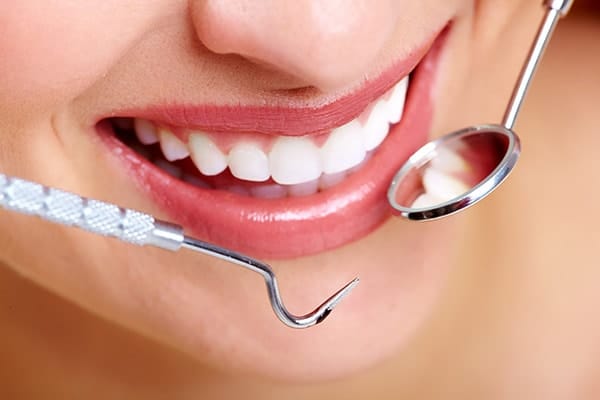
We offer patients both esthetic treatments, which restore both function and beauty to your smile, and cosmetic treatments, which are usually elective procedures used solely to enhance the look of your smile. Our office provides cosmetic dental treatments such as bleaching, bonding, veneers, and other processes.
Complete Dental Services in Edmonton
Why do you need a clinic that offers complete dental services?
Preventive care protects you from teeth damage caused by gum disease, tooth decay, and other damaging dental conditions. However, you need dental restoration services if you suffer unforeseen tooth damage, tooth loss, or other oral trauma. Give us a call when looking for dental clinics in Edmonton.
For this reason, it's essential to sign up with a practice that offers comprehensive dental care, and this includes both preventive and restoration services. Working with a service that provides complete dental services ensures that you get all your dental needs taken care of in one place by professionals who know your dental history.
If you are looking for an effective and affordable dental clinic in Edmonton, AB, our team and dental clinic are here for you. Learn more about our services and how we can help you by scheduling an appointment at our dental office today.
Our dental office professionals will certainly provide teeth whitening to cosmetic dental procedures and family dental services overall.
Find out how we can provide teeth whitening, Emergency Dentist South Edmonton, dental implants, and more at our dental office in Edmonton. See our Edmonton dentist reviews.
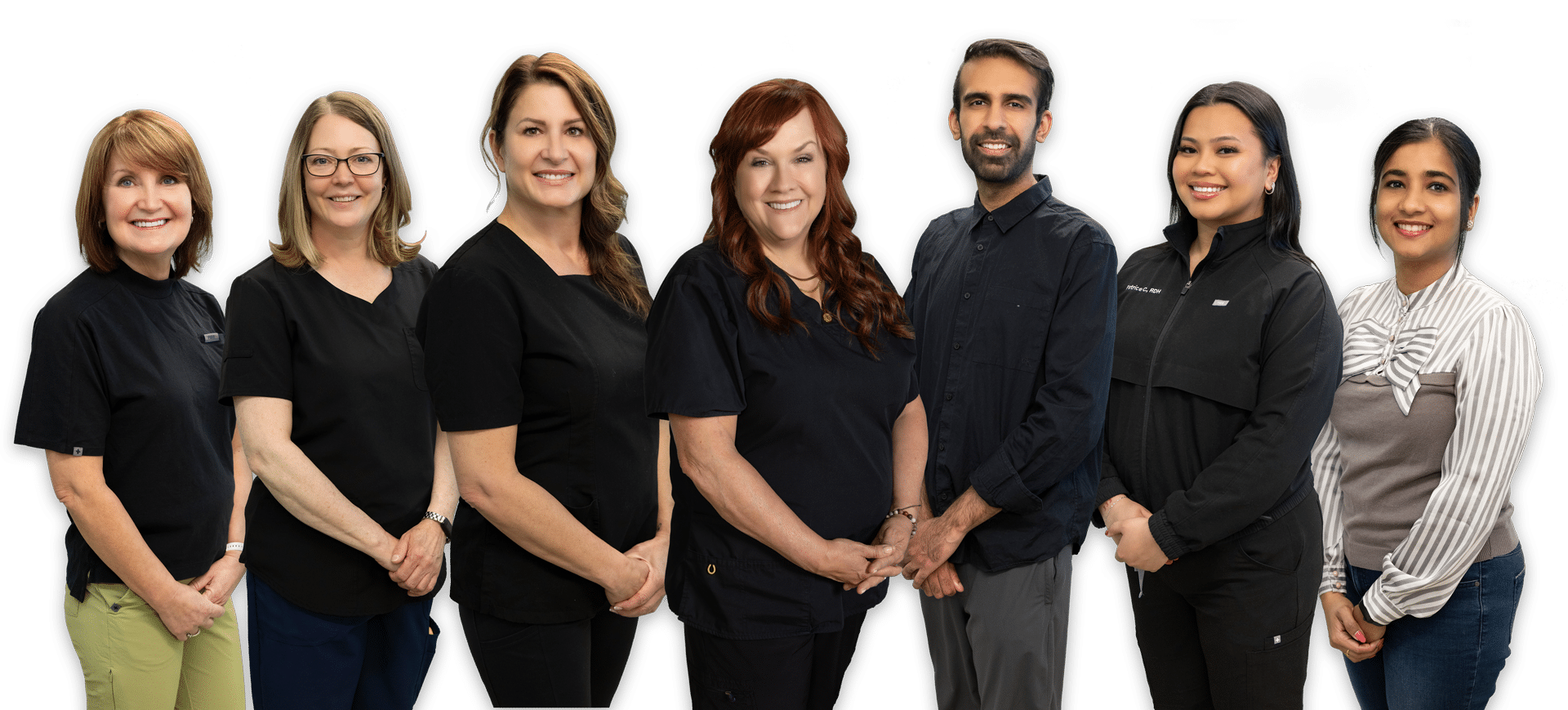
Meet the Dr. Molly Rodgers and Associates Team
Dr. Molly Rodgers Dental

Have a Dental Emergency?
Schedule your Dental Appointment today for Brighter and Healthier Smiles.